DWARFLAB DRACO: First Look & Image Processing
Explore DWARFLAB DRACO's 90 mm aperture, 340 mm focal length, SHO imaging features and astrophotography examples. This first look uses specifications and raw imaging data supplied by DWARFLAB, not a hands-on test of a physical telescope.
Introduction
Draco is DWARFLAB's latest smart telescope and marks their entry into the premium smart telescope range.
Starting at £1,299, it's not just the price that is drawing attention and has already been recognised as a CES 2027 Innovation honoree.
Let's dive in to some of the specs and features.
Disclosure: DRACO data was captured by the DWARFLAB testing team and processed by Our Astro Journey. This is a data-processing first look, not a physical hands-on telescope review.
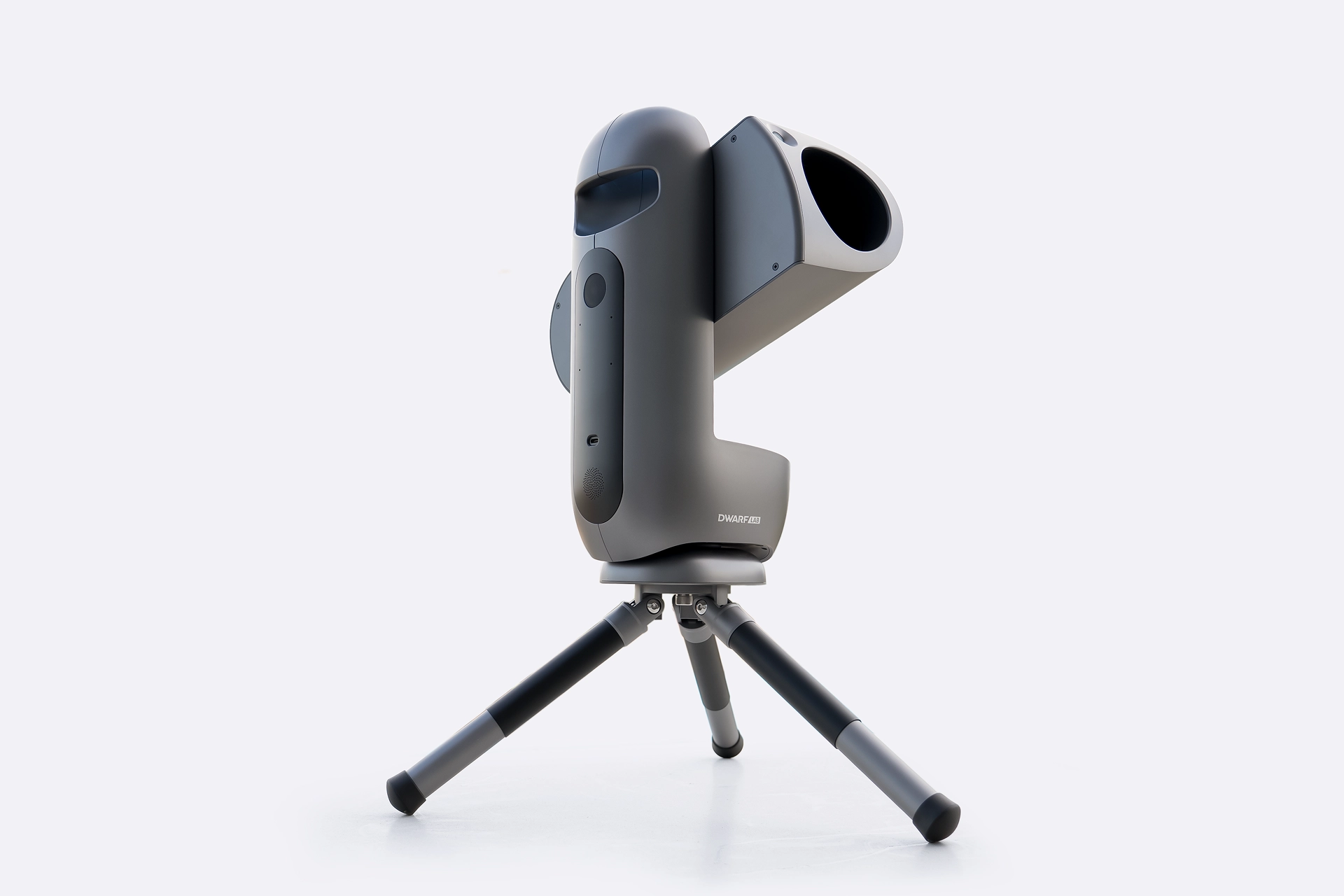
Specifications and what they mean for beginners
Key published specifications for DRACO.
SHO colours are assigned during image processing. They are not necessarily the colours your eyes would see through a telescope.
Rotating sensor and cooling
One of my favourite features is the rotating CMOS sensor. This should help reduce field rotation and allows you to align your target via the app as you wish.
It also has integrated sensor cooling. As you take images, especially longer exposures, the sensor heats up which can cause your image to look grainy. With cooling, this should be reduced.
There are two different versions of the telescope available. The Standard Edition is currently listed at £1,299. This has an internal solar filter as well as the dual-band filter (Hα and OIII).
The SHO Edition is currently listed at £1,449 and has an external solar filter and two dual-band filters (Hα and OIII, and SII and OIII). This is what allows you to capture SHO images.
Processing the DRACO data
All the images were processed in Siril using XTerminator scripts and VeraLux scripts followed by post-processing in GIMP.
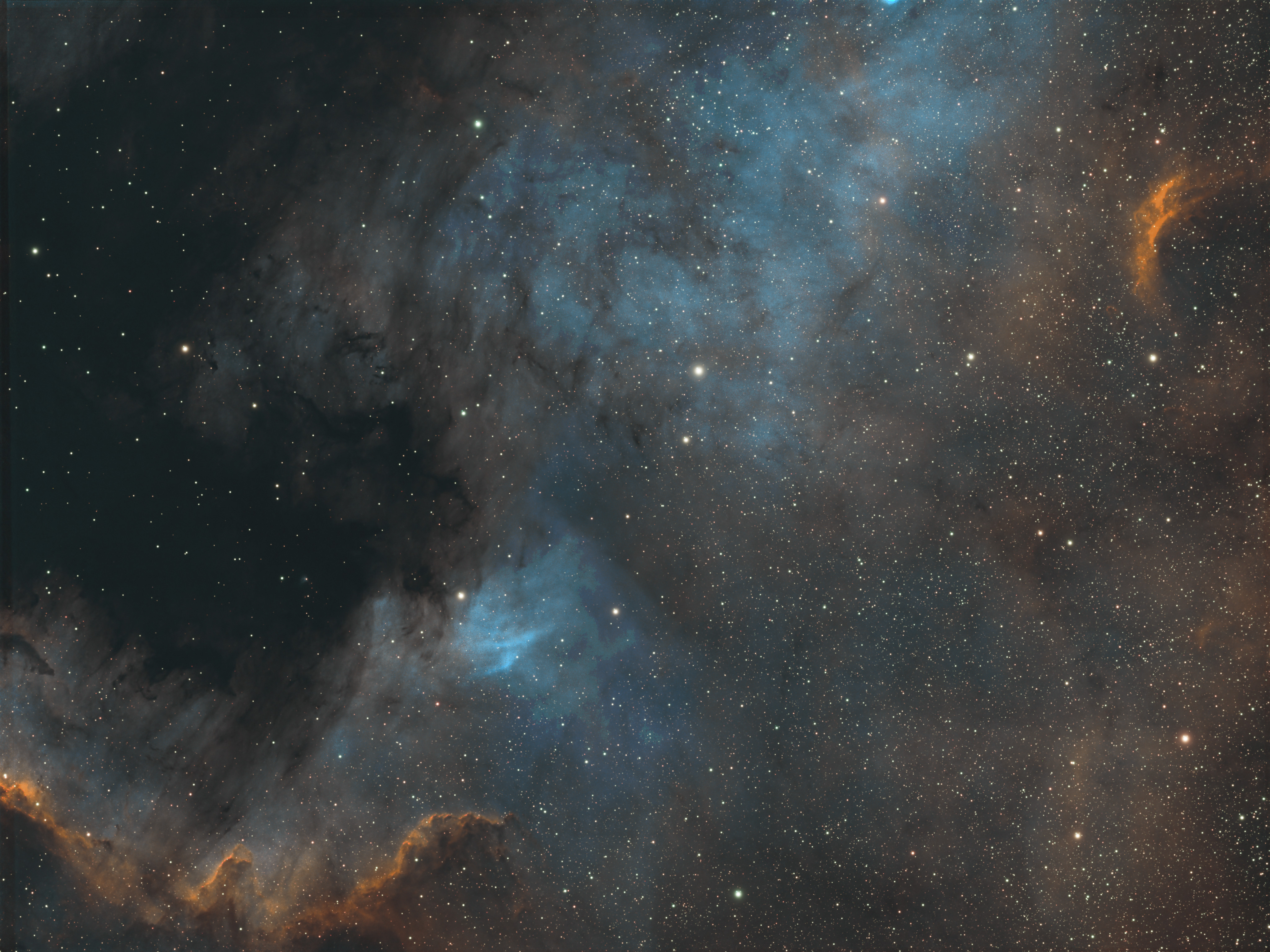
The only image that took more work was the North America Nebula as DRACO produces two files for this. One for each filter. This meant I had to separate the colours.
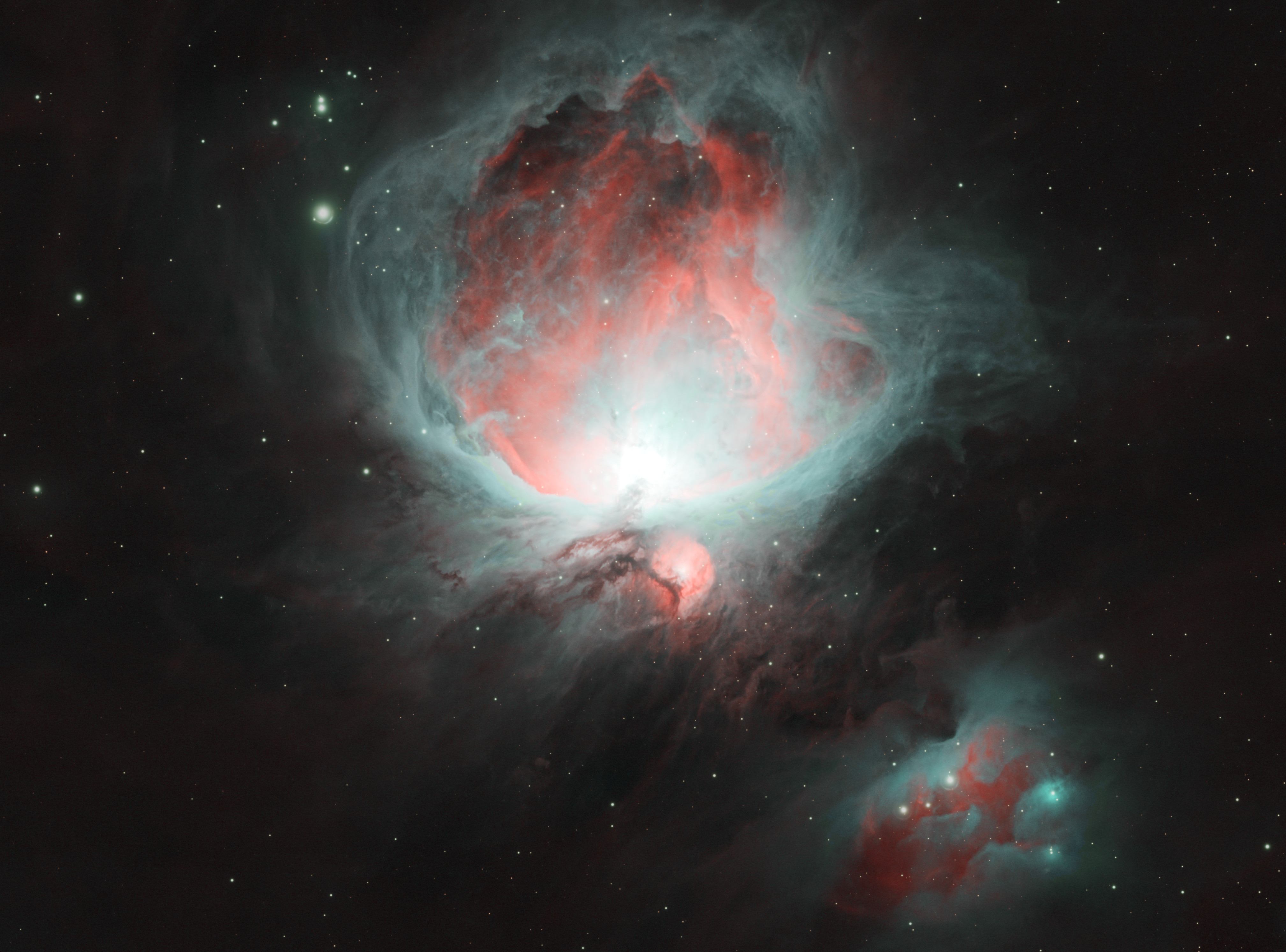
Orion Nebula
Filter: HO dual-narrowband (Hα / OIII) | Integration: 3 hours | Bortle: 3
Captured by DWARFLAB testing team; processed by Our Astro Journey.
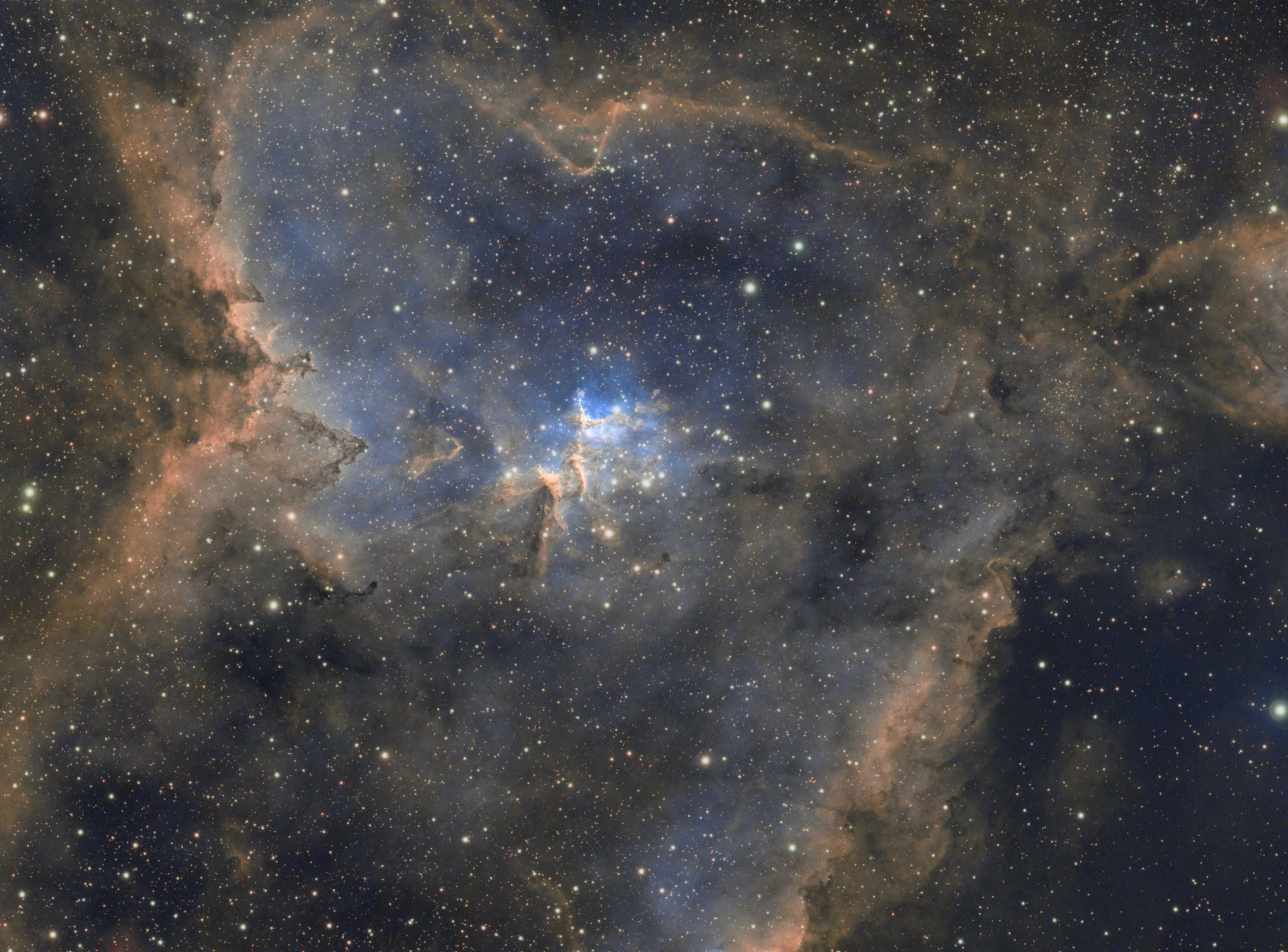
Heart Nebula
Filter: HO dual-narrowband (Hα / OIII) | Integration: 3 hours | Bortle: 3
Captured by DWARFLAB testing team; processed by Our Astro Journey.
North America Nebula (C20)
Filter: HO (Hα / OIII) + SO (SII / OIII) | Integration: 4 hours 55 minutes | Bortle: 1
Captured by DWARFLAB testing team; processed by Our Astro Journey.
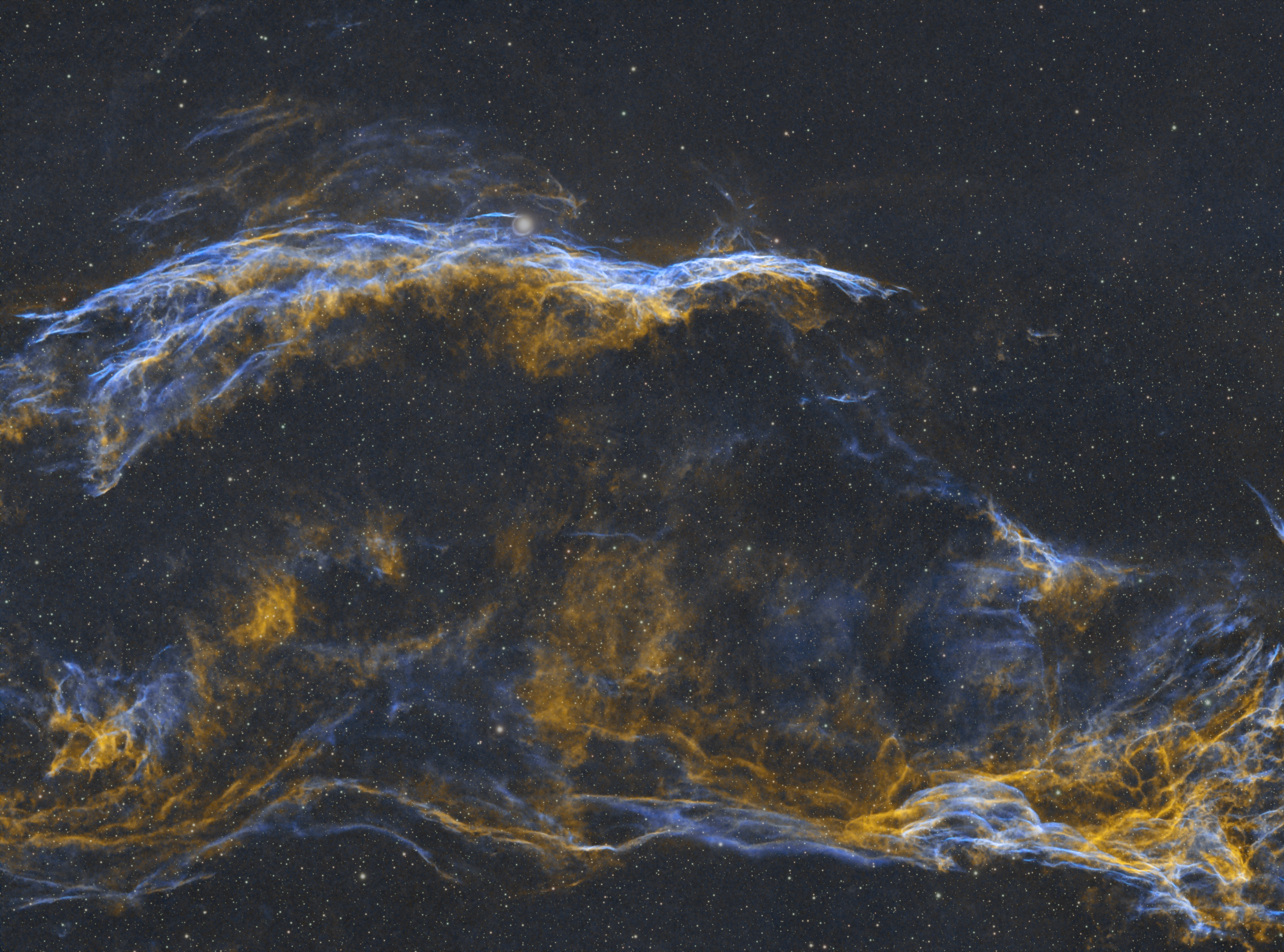
Veil Nebula
Filter: HO dual-narrowband (Hα / OIII) | Integration: 2 hours 35 minutes | Bortle: 3
Captured by DWARFLAB testing team; processed by Our Astro Journey.
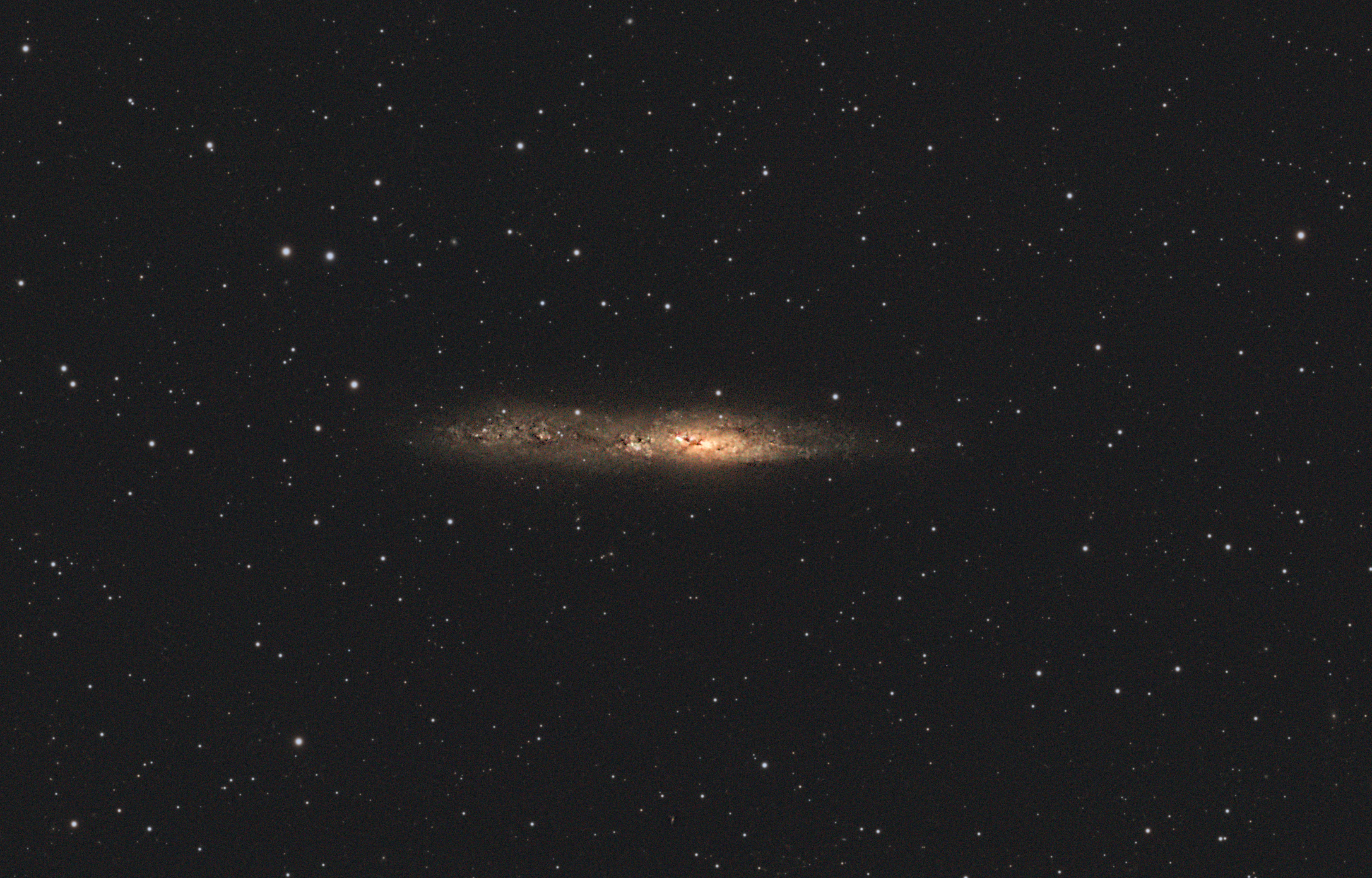
String of Pearls
Filter: Astro | Integration: 1 hour 45 minutes | Bortle: 2
Captured by DWARFLAB testing team; processed by Our Astro Journey.
Strengths, limitations and beginner suitability
The 90 mm aperture of this scope is going to make fainter targets much easier to capture. So compared to earlier DWARFLAB smart telescopes, DRACO is going to open the door to targets that would previously have needed a lot more integration time more accessible.
The 340 mm focal length also means smaller targets such as the Ring Nebula will be larger.
I really like the rotating sensor. This is going to help with getting targets to align pretty much how you want. And it also means you will be able to take longer exposures of most targets without needing to polar align.
The only thing I can see holding beginners back for this is the price. Now I do not mean it is not value for money by any means. Just that your average beginner is not going to want to spend this kind of money on one of their first telescopes.
Conclusion
I am actually really impressed by the Draco. Hopefully I will get to see how well it performs under average sky conditions at some point.
There are so many features, and I could not fit all of them into this review.
I feel like this is aimed at the more experienced astrophotographer. It has the feel of being suited to a professional as a quick and easy system for taking on holiday, for example.
I have checked and currently there is only the SHO version available to order but if you do decide to purchase one, click here. This is an affiliate link, so I may earn a commission without costing you extra.
For a smaller, more beginner-focused smart telescope, see my DWARF Mini review and real-world imaging experience. You can also explore astrophotography weather planning before your next session.
Thanks for reading.